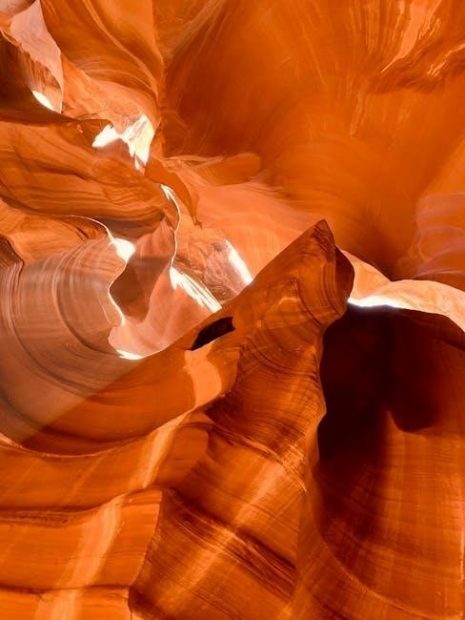
Self-Guided Tour of Antelope Canyon: A Comprehensive Plan
Arizona’s stunning landscapes offer incredible travel experiences, and Antelope Canyon stands out as a truly magical destination, beckoning visitors with its unique beauty and allure.
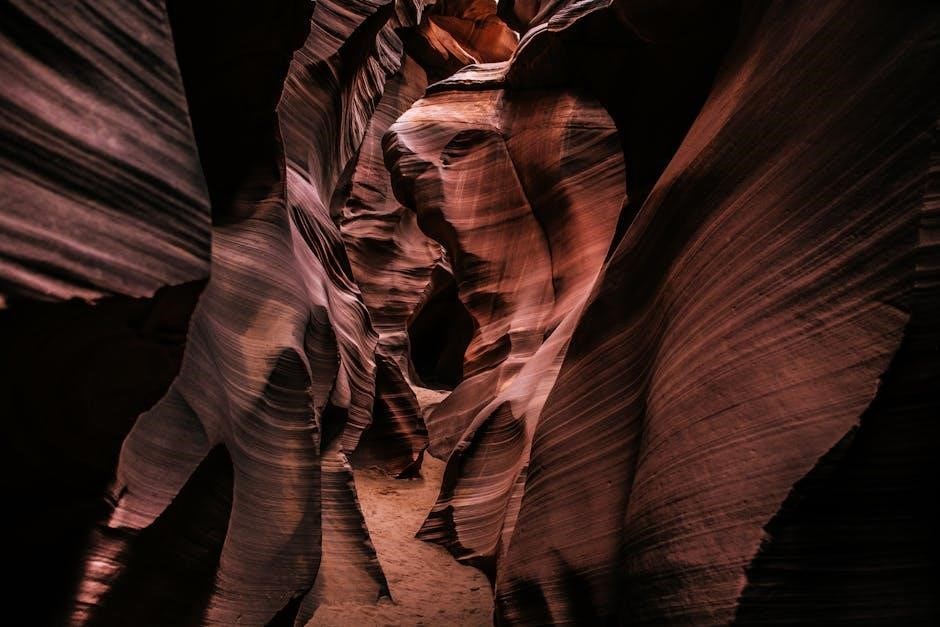
Antelope Canyon, nestled in northern Arizona on Navajo Nation land, is a slot canyon renowned globally for its breathtaking beauty and the mesmerizing play of light within its sculpted sandstone walls. Formed over millennia by erosion from flash floods and wind, this natural wonder offers an unforgettable experience for photographers and nature enthusiasts alike.
Choosing between Antelope Canyon and the Grand Canyon presents a unique dilemma for travelers. While the Grand Canyon boasts immense scale and panoramic views, Antelope Canyon delivers an intimate, immersive journey into the heart of geological artistry. It’s a place where the canyon walls seem to glow, creating an ethereal atmosphere. Planning a visit requires understanding the nuances of access and tour options, particularly regarding self-guided explorations;
Understanding the Two Canyons: Upper vs. Lower
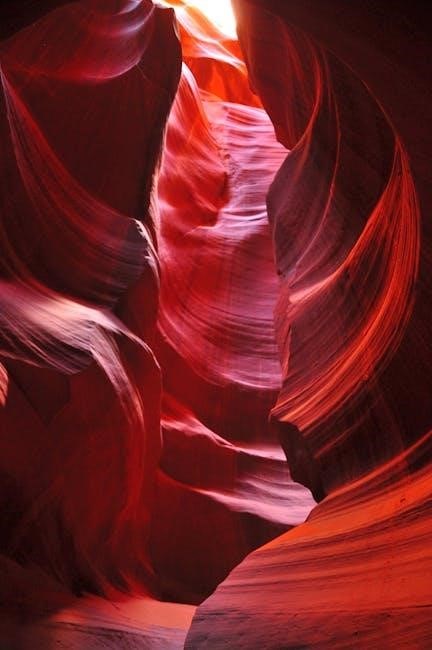
Antelope Canyon isn’t a single canyon, but rather a system comprised of Upper and Lower sections, each offering a distinct experience. Upper Antelope Canyon is famed for its iconic beams of light, particularly during midday in the warmer months, making it incredibly popular and often crowded. It’s a relatively level walk, accessible to a wider range of visitors.
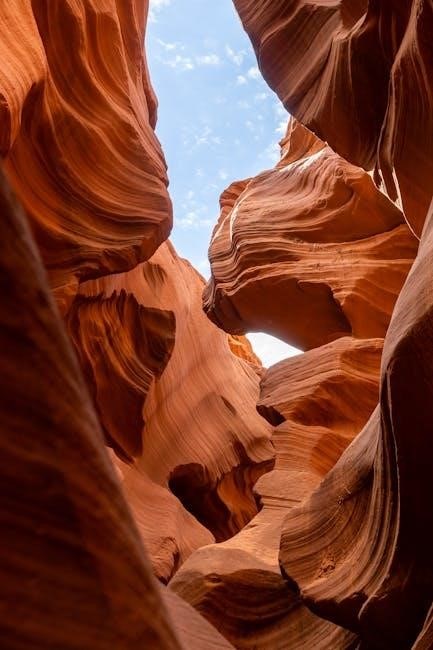
Lower Antelope Canyon, conversely, presents a more adventurous experience. Access involves navigating steep stairs and narrow passages, appealing to those seeking a bit more challenge. While light beams are less frequent, the canyon’s intricate formations and varied textures are equally captivating. Choosing between the two depends on your physical ability and desired photographic opportunities, impacting your self-guided tour approach.
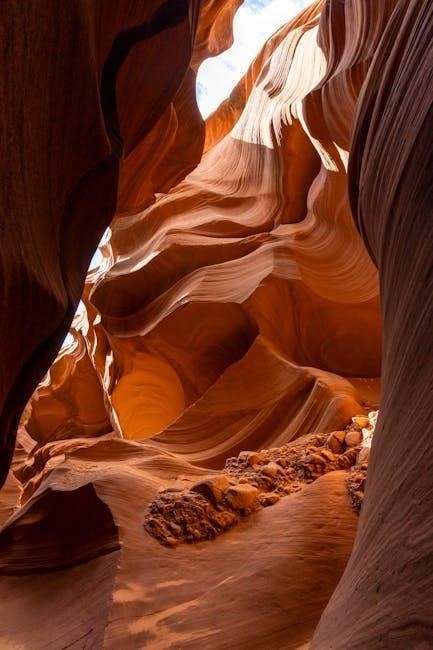
Upper Antelope Canyon: The Iconic Beams of Light
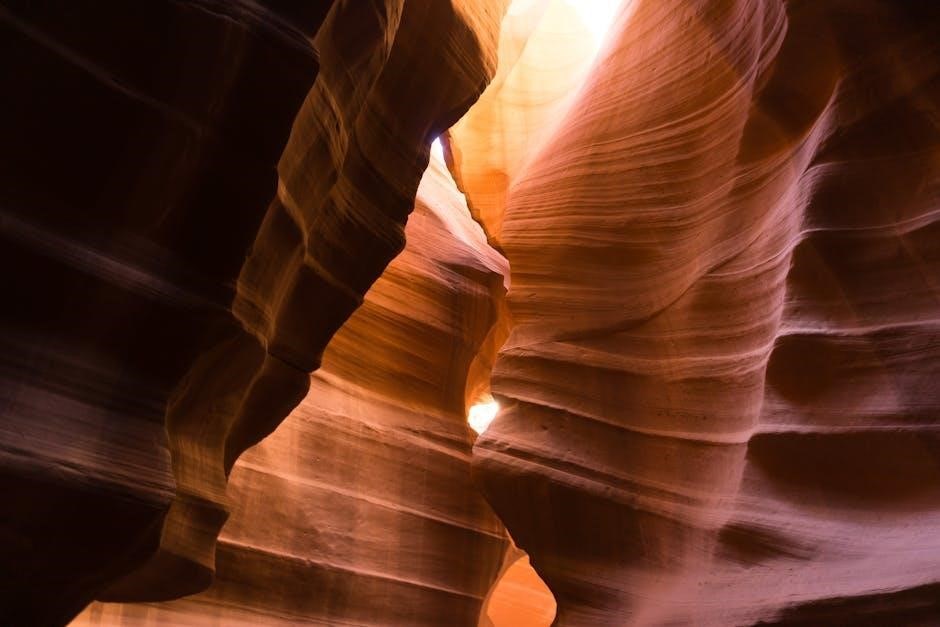
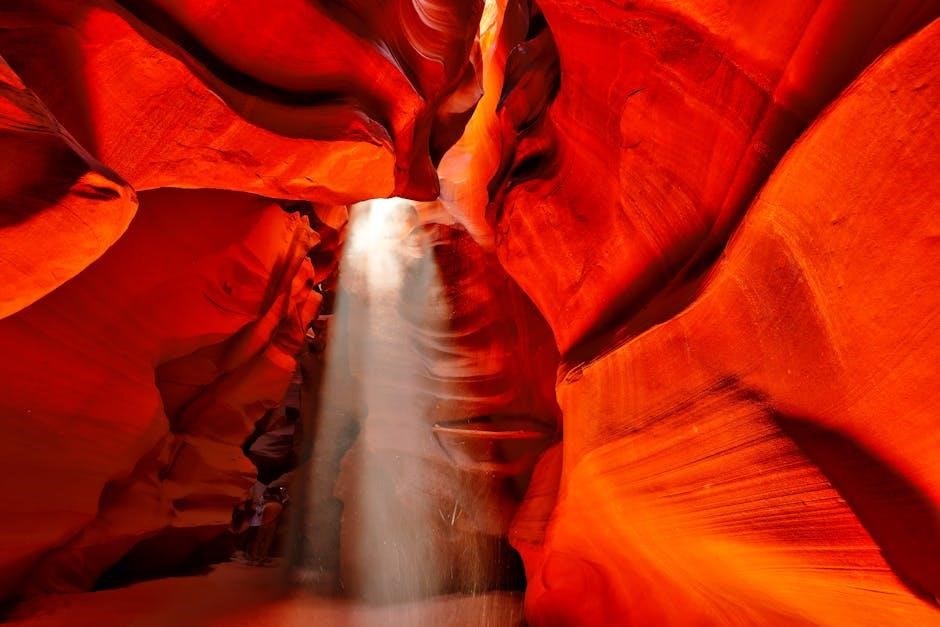
Upper Antelope Canyon is world-renowned for its spectacular light beams, a phenomenon that draws photographers and tourists alike. These beams, most prominent between mid-morning and early afternoon during the spring and summer, filter through the narrow slot canyon opening, creating ethereal columns of light. The experience is truly magical, transforming the sandstone walls into a vibrant, glowing spectacle.
However, witnessing this requires careful planning. Due to the canyon’s popularity, tours fill up quickly, and the best light conditions coincide with peak visitation. Expect larger crowds and potentially limited space to maneuver for photography. A self-guided experience here means accepting a potentially bustling environment in exchange for the chance to capture those iconic images.
Lower Antelope Canyon: A More Adventurous Experience
Lower Antelope Canyon presents a different, more physically demanding experience compared to its upper counterpart. Access involves navigating steep metal stairs and narrow passageways, making it less accessible for those with mobility issues or a fear of confined spaces. This adventurous aspect, however, often translates to fewer crowds and a more intimate encounter with the canyon’s beauty.
The canyon’s formations are equally stunning, though the light beams aren’t as consistently dramatic as in Upper Antelope Canyon. Exploring Lower Antelope Canyon feels like descending into the earth, discovering hidden chambers and intricate sandstone sculptures. It’s a fantastic option for those seeking a slightly more challenging and less-touristed self-guided adventure.
Planning Your Visit: Timing is Everything
Successfully navigating a self-guided tour of Antelope Canyon hinges on meticulous planning, with timing being paramount. Reservations are absolutely essential, as walk-ins are rarely accommodated, particularly during peak seasons. Consider the time of day; midday offers the best chance to witness the iconic light beams in Upper Antelope Canyon, but also draws the largest crowds.
Factor in travel time to Page, Arizona, and allow ample time for checking in with your tour operator and obtaining the required Navajo Nation permit. Remember that tours operate on Mountain Standard Time. Carefully review your tour confirmation for specific meeting points and instructions. Proactive planning minimizes stress and maximizes your enjoyment of this incredible natural wonder.
Best Time to Visit: Seasonal Considerations (Including Winter)
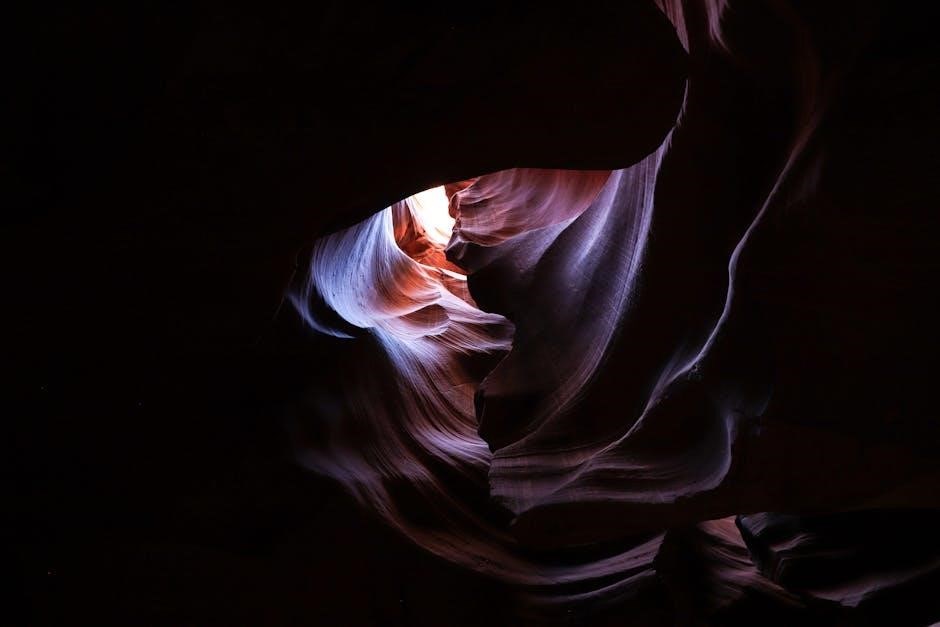
Determining the optimal time to visit Antelope Canyon depends on your priorities. While summer offers long daylight hours, it also brings intense heat and peak season crowds. Surprisingly, winter emerges as a fantastic option! Temperatures are milder, and the canyon’s colors often appear more vibrant after rainfall or even light snow.
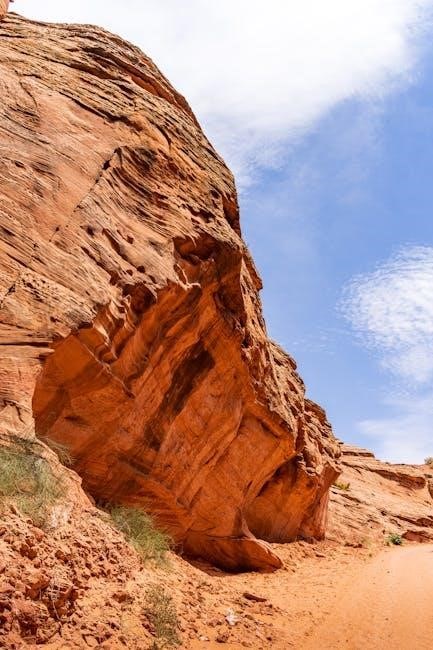
Shoulder seasons – spring (April-May) and fall (September-October) – provide a sweet spot with pleasant weather and fewer visitors. However, flash flood risks are higher during monsoon season (July-August). Winter visits require checking for potential tour cancellations due to weather, but the unique photographic opportunities and reduced congestion make it worthwhile. Consider that winter can be an affordable option too!
Avoiding Crowds: Peak Season vs. Shoulder Season
Antelope Canyon’s popularity means crowds are a significant consideration. Peak season, spanning from late spring through early fall, witnesses the highest influx of tourists, leading to a more congested experience within the narrow slot canyons. Booking tours well in advance is crucial during these months, but even then, expect to share the space with many others.
To circumvent the throngs, opt for the shoulder seasons – April-May and September-October. These periods offer a balance of agreeable weather and diminished visitor numbers. While not entirely devoid of people, the experience feels less rushed and allows for more intimate moments with the canyon’s beauty. Early morning or late afternoon tours during shoulder seasons further enhance your chances of a less crowded visit, maximizing your enjoyment.
Booking Your Tour: Essential Information
Securing a tour to Antelope Canyon requires careful planning, as independent exploration isn’t permitted. Reservations are absolutely essential, and booking well in advance – especially for peak season – is highly recommended. Numerous tour operators offer access to both Upper and Lower Antelope Canyon, each with varying tour types and durations.
When booking, confirm what’s included in the price; typically, this covers the Navajo Nation permit and the guided tour itself. Be aware of cancellation policies, as they can be strict. Reputable operators will clearly outline these terms. Consider the type of tour – standard, photography, or premium – based on your interests and desired level of access. Finally, ensure the operator is authorized by the Navajo Nation to operate within the canyon.
Required Navajo Nation Permit
Accessing Antelope Canyon necessitates obtaining a Navajo Nation permit, as the canyon lies on Navajo land. This permit isn’t directly purchased by individuals; it’s invariably included as part of a tour package offered by authorized tour operators. Attempting to enter the canyon without a valid permit and a guided tour is strictly prohibited and carries potential penalties.
The permit fee contributes to the preservation of the canyon and supports the Navajo Nation. Tour operators handle the permit procurement process, simplifying it for visitors. When booking your tour, verify that the permit is indeed included in the overall cost. The Navajo Nation carefully manages access to protect this sacred and fragile environment, making the permit system crucial for sustainable tourism.
Tour Operator Selection: Choosing a Reputable Company
Selecting a trustworthy tour operator is paramount for a seamless and enriching Antelope Canyon experience. Numerous companies offer tours, but prioritizing those with established reputations and positive reviews is essential. Look for operators explicitly authorized by the Navajo Nation, ensuring legitimate access and adherence to regulations.
Consider factors like group size – smaller groups often provide a more intimate and less crowded experience. Check if the operator specializes in photography tours if capturing stunning images is a priority. Compare pricing, but avoid solely basing your decision on cost; quality of service and knowledgeable guides are invaluable. Read recent traveler feedback online to gauge overall satisfaction and identify potential red flags before booking your adventure.
What to Expect on a Self-Guided Tour
While fully self-guided exploration isn’t permitted within Antelope Canyon, tours offer a structured yet immersive experience. Expect to be part of a group led by a knowledgeable Navajo guide who provides insights into the canyon’s geology, history, and cultural significance. The pace is generally moderate, allowing time for photography and appreciation of the surroundings.
Be prepared for walking on uneven, sandy surfaces, and potentially navigating narrow passageways. Guides will often assist with camera settings to capture optimal photos, particularly during peak light beam times. Respectful behavior and adherence to the guide’s instructions are crucial. Tours are carefully managed to preserve the canyon’s delicate environment and ensure a safe experience for all visitors.
Tour Duration and Pace
Antelope Canyon tours, even those appearing “self-guided” in name, are typically structured experiences lasting between 60 to 90 minutes. Upper Antelope Canyon tours generally take around 75 minutes, while Lower Antelope Canyon tours can be slightly shorter, averaging 60-70 minutes due to the more direct route. The pace is dictated by the flow of the group and the guide’s commentary.
Expect periods of walking, stopping for photos, and listening to the guide share information. While not a strenuous hike, the terrain requires moderate mobility. Guides manage the flow to prevent overcrowding and allow everyone a chance to experience the canyon’s beauty. Rushing is discouraged; the goal is to savor the unique atmosphere and capture memorable images.
Photography Tips: Capturing the Canyon’s Beauty
Antelope Canyon presents unique photographic challenges and rewards. A wide-angle lens (16-35mm) is ideal for capturing the canyon’s scale, while a standard zoom (24-70mm) works well for details. A tripod is generally not allowed on standard tours due to congestion, so a fast lens (f/2.8 or wider) and high ISO settings are crucial for low-light conditions.
Embrace the dust! It contributes to the atmospheric light beams. Experiment with exposure compensation to balance the bright highlights and dark shadows. Don’t be afraid to ask your guide for assistance finding optimal shooting spots. Post-processing can enhance colors and contrast, but avoid over-saturation to maintain a natural look. Capture the interplay of light and shadow – it’s what makes Antelope Canyon so special.
Antelope Canyon vs. Grand Canyon: A Comparison
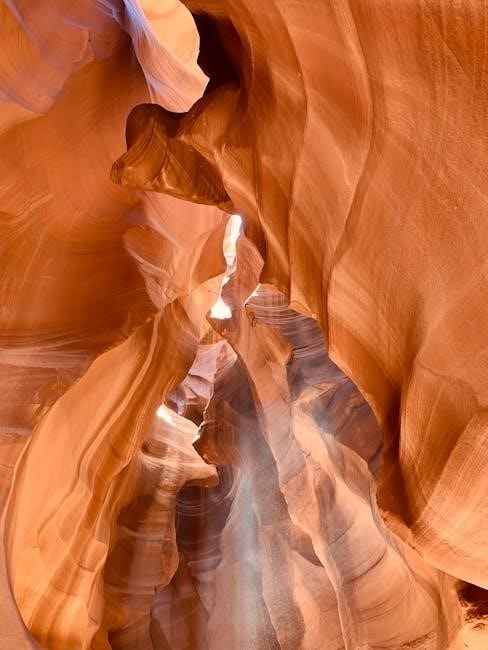
Choosing between Antelope Canyon and the Grand Canyon depends on your preferences. The Grand Canyon offers vast, panoramic views and extensive hiking opportunities, demanding several days to fully explore its immensity. Antelope Canyon, conversely, is a more intimate experience, focusing on sculpted sandstone formations and dramatic light beams within a relatively small area.
Antelope Canyon requires a guided tour for access, while the Grand Canyon allows for independent exploration (though guided options exist). Antelope Canyon is ideal for photographers seeking unique light and color, while the Grand Canyon caters to hikers and those wanting expansive vistas. Both are iconic Arizona destinations, but offer vastly different experiences – one grand and sprawling, the other intimate and ethereal.
Preparing for Your Visit: What to Bring
Essential preparation ensures a comfortable and enjoyable Antelope Canyon experience. Lightweight, breathable clothing is recommended, even in cooler months, as temperatures can fluctuate. Sturdy, closed-toe shoes are crucial for navigating the sandy and uneven terrain within the canyons. Don’t underestimate the Arizona sun – pack a wide-brimmed hat, sunglasses, and high-SPF sunscreen.
Hydration is key; bring plenty of water, especially during warmer seasons. A dust mask or bandana is highly advisable, as the canyons can be dusty, particularly with foot traffic. For photography enthusiasts, a camera with adjustable settings and a tripod (if permitted by your tour operator) will help capture the canyon’s beauty. A small backpack to carry these essentials is also a good idea.
Clothing and Footwear Recommendations
Selecting appropriate attire is vital for a comfortable Antelope Canyon visit. Opt for light-colored, breathable clothing to reflect sunlight and stay cool, even during winter months when layers are advisable due to temperature swings. Avoid dark colors that absorb heat. Comfortable, closed-toe shoes are non-negotiable; the canyon floor is sandy, uneven, and can contain loose rocks.
Hiking shoes or sturdy sneakers with good traction are ideal. Sandals or flip-flops are strongly discouraged. Consider wearing moisture-wicking socks to prevent blisters. Long sleeves and pants can offer sun protection and shield against minor scrapes. A hat is essential for shielding your face and neck from the intense Arizona sun, completing your practical and comfortable outfit for exploring this natural wonder.
Essential Gear: Water, Sun Protection, and Dust Protection
Staying prepared with the right gear enhances your Antelope Canyon experience significantly. Hydration is paramount; carry ample water, especially during warmer months, to combat the dry desert climate. High SPF sunscreen is crucial, even on cloudy days, to protect against the intense Arizona sun. A wide-brimmed hat and sunglasses offer additional protection.
Dust is prevalent within the canyons, so a bandana or face covering is highly recommended to shield your lungs and protect your camera equipment. Consider bringing a lens cloth to wipe away dust. A small backpack is useful for carrying these essentials, leaving your hands free for photography and navigating the terrain. Prioritizing these items ensures a safe and enjoyable exploration of this breathtaking landscape.
Navajo Nation Regulations and Respectful Tourism
Visiting Antelope Canyon necessitates adherence to Navajo Nation regulations, as it resides on tribal land. A required Navajo Nation permit is essential for access, obtained through authorized tour operators. Demonstrating cultural sensitivity is paramount; remember you are a guest on sacred land. Refrain from loud noises, disruptive behavior, and touching the canyon walls, preserving their natural state.
Photography is permitted, but commercial use requires separate authorization. Respect the guidance of your Navajo tour guide, who provides valuable insights into the canyon’s history and significance. Practicing “Leave No Trace” principles – packing out all trash, staying on designated paths, and minimizing your impact – is vital. Supporting local Navajo businesses contributes to the community and ensures sustainable tourism.
Cultural Sensitivity and Etiquette
Antelope Canyon holds deep spiritual significance for the Navajo people, demanding respectful behavior from all visitors. Understanding that you are entering a sacred space is the first step towards appropriate etiquette. Avoid any actions that could be perceived as disrespectful, such as climbing on the canyon walls or defacing the sandstone formations.
Listen attentively to your Navajo guide, as they share stories and insights into the canyon’s cultural importance. Refrain from loud conversations or disruptive behavior that could disturb the serenity of the environment. Dress modestly, and be mindful of your surroundings. Remember that photography, while generally allowed, should be conducted with reverence and not used to exploit or trivialize the sacred nature of the canyon.
Leave No Trace Principles
Preserving the delicate beauty of Antelope Canyon requires strict adherence to Leave No Trace principles. Pack out everything you pack in – this includes all trash, food wrappers, and personal belongings. Stay on designated trails to avoid damaging fragile vegetation and contributing to erosion. Respect wildlife by observing from a distance and never feeding them;
Minimize campfire impacts, as open fires are generally prohibited within the canyon. Be considerate of other visitors by keeping noise levels down and avoiding disruptive behavior. Leave natural objects, such as rocks and plants, as you find them. Properly dispose of human waste, following Navajo Nation guidelines. By embracing these principles, you contribute to the long-term preservation of this incredible natural wonder for future generations to enjoy.